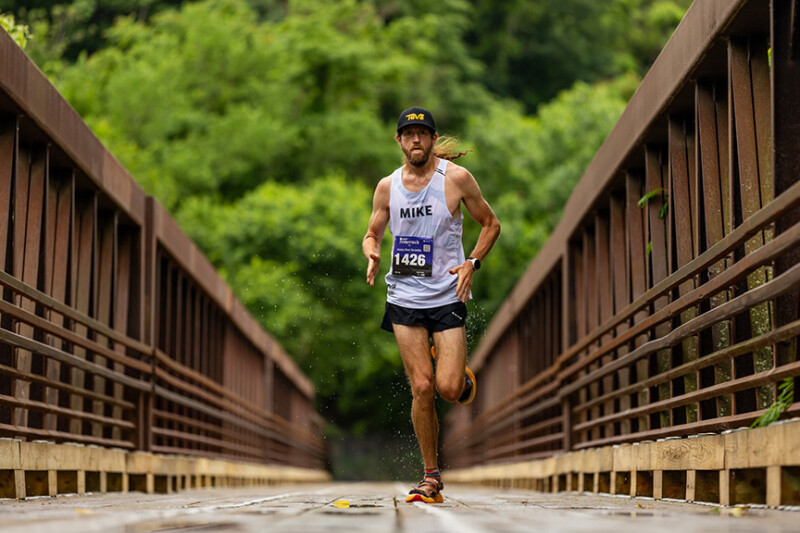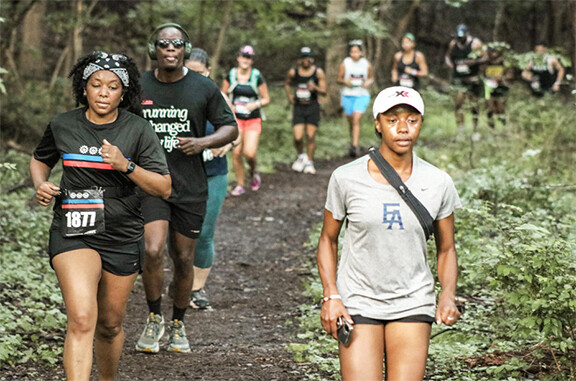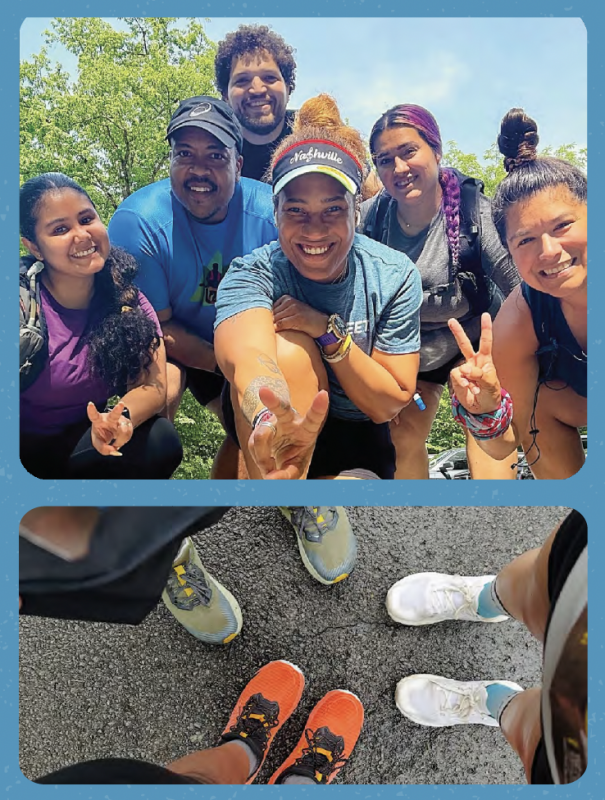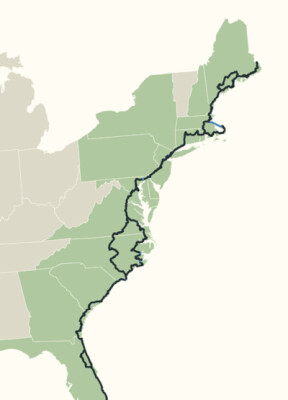
On any given day, the East Coast Greenway carries people through city neighborhoods, small towns, waterfronts and quiet stretches of trail from Maine to Florida. Some are commuting by bike. Others are out for a morning walk, a weekend run or a family ride.
Together, they add up to an estimated 50 million trips a year on what the East Coast Greenway Alliance calls the most visited park in America. Now the nonprofit behind the 3000-mile route wants to double that number.
In its new strategic plan, the East Coast Greenway Alliance has set what it describes as a bold goal: reaching 100 million annual bike rides, runs and walks by 2030. The aim is to grow traffic on the trail and deepen the Greenway’s role in daily life across 15 states and 450 communities.
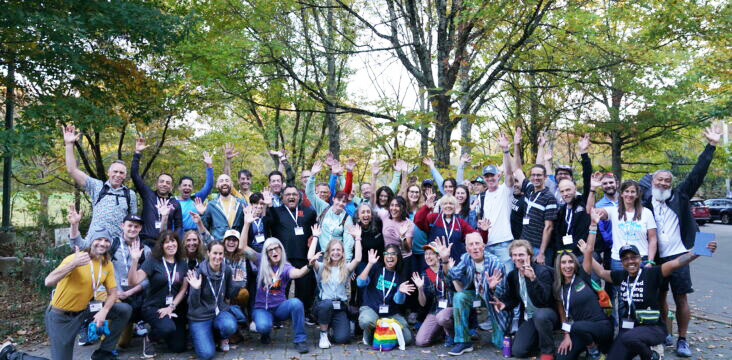
That ambition comes at a time of real pressure. The organization says the plan was shaped by changes in the economy, politics and culture, including reduced federal infrastructure investment and broader uncertainty. Over the past year, the Alliance gathered input from more than 400 members, partners, donors, volunteers and staff to chart its next move.
The result is a strategy built around three core goals: develop the Greenway, promote the Greenway and transform the region.
At the heart of that effort is a belief that the trail can do more than connect miles on a map. It can connect people to place, to each other and to healthier ways of moving through the world.
In a letter introducing the plan, executive director Dennis Markatos-Soriano and chair Regina Yan wrote, “We are excited to see how this increase transforms the sense of connection with community and nature from Downeast Maine to the Florida Keys. It will take both super-users biking and walking even more per week and for us to inspire many new people to join us on the Greenway through a mix of programming and marketing of the hundreds of existing segments ready for their enjoyment.”
The Alliance is also trying to make the Greenway easier to use and easier to understand.
Earlier this year, it launched a redesigned website, with updated maps, trip-planning tools, regional hubs and a new section focused on completing the route. The new site is meant to serve both explorers and advocates, reflecting a strategy that pairs on-the-ground development with stronger public engagement.
For the East Coast Greenway Alliance, the path ahead is about making running, walking and biking a bigger part of everyday American life. If the plan succeeds, the Greenway will not only carry more people by 2030. It will carry more communities with it.