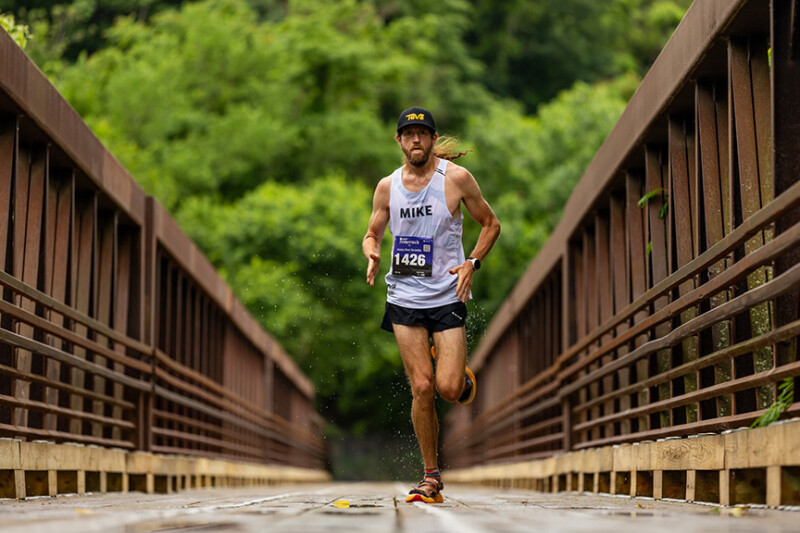
Trail running has always been aspirational. For some people, that aspiration looks like Western States, Cocodona or UTMB, a race that feels almost impossible until you decide to try. Those events matter because they expand our understanding of what humans are capable of. They create stories that travel well beyond the core trail community and inspire people to imagine themselves differently.
Watching Rachel Entrekin win Cocodona outright earlier this year and set a course record wasn’t just impressive, it reminded people that this sport still has room to surprise us.
Those kinds of efforts remind us why we make what we make — gear for the longest distances. Ultra-distance running forces clarity. You learn quickly what matters over 10, 20 or 30 hours outside. Gear either disappears with you or it becomes the thing you can’t stop thinking about.
The challenges are real — relentless heat, inclement weather, technical terrain, chafing, nutrition and fatigue. Designing for those realities has shaped a huge part of how we think about our products, but ultras also represent something bigger than performance.
Finding the way onto trails
But what draws many people to trail running isn’t necessarily racing at all. It’s the feeling of moving through landscapes under your own power. It’s curiosity, exploration and community — along with the lessons from being out there longer than you expected. Most trail runners start with a short local loop, a friend inviting them out or a run that feels different or farther than what they’re used to on the road.
That entry point into trail running is important to remember now because the sport is growing quickly, even as the path into it isn’t always obvious. According to insights shared during a panel discussion at The Running Event in San Antonio last December, trail running is growing at roughly eight percent annually, significantly faster than the broader running market. The same discussion noted that much of that growth is being driven by casual participants and road runners crossing over to trails in search of a different experience and community.
A lot of access still depends on geography, confidence or knowing someone who can help you get started. Information around gear, safety, routes and trail culture is often passed down informally. While trail running has become more visible, many people still don’t see themselves reflected in the spaces where the sport exists.
What that creates is a participation funnel that narrows faster than it should. At the top end, the sport looks bigger than ever. Races sell out, records are broken and participation continues to rise. Social feeds are filled with massive efforts in beautiful places. UltraSignup participation data shows continued growth in trail race participation following the pandemic surge in outdoor recreation. But beneath that momentum are a lot of people who are curious about trails and never quite make it onto them.
That’s one of the biggest opportunities and responsibilities for brands in this space. The future of trail running won’t only come from serving the runner training for their next hundred miler. It will come from making the sport feel approachable enough for someone showing up for their very first trail run.
Expanding trail representation
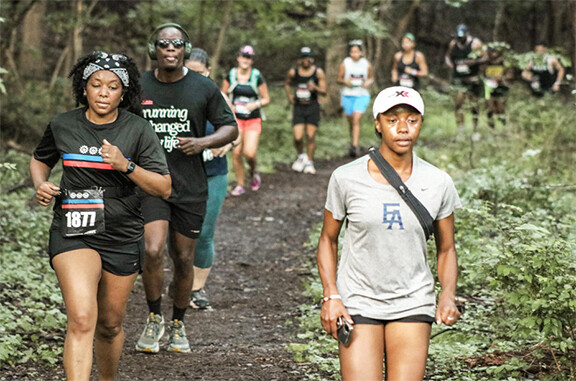
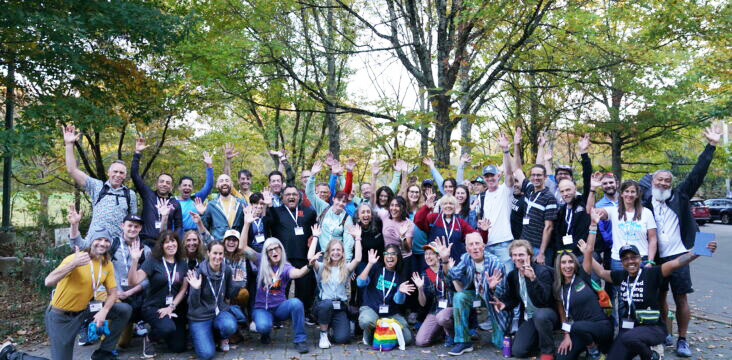
That shift is already happening at the community level. You see it in local run crews introducing people to dirt for the first time. You see it in organizations creating mentorship, stewardship and representation where it didn’t exist before. You see it in the growing understanding that trail running is as much about belonging as it is about performance.
That thinking is what led us to launch Janji Grants, an opportunity to more closely align giving with the heart of our brand. The idea behind the program was simple: the people building access and community in trail running are doing some of the most important work in the sport and they deserve real support.
Through Janji Grants, we award a $10,000 grant each month to organizations helping create more pathways into trail running, whether through mentorship, advocacy, education or community-building.
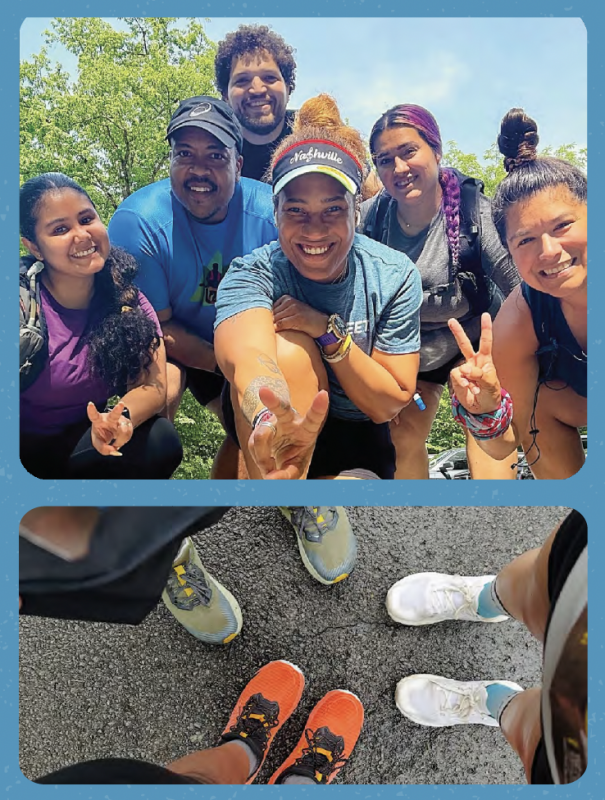
Groups such as Tierra Libre Runners, Native Women Run and Women In Ultrarunning are helping expand representation, visibility and support in trail and ultra spaces through mentorship and community-building. Friendship Miles is creating spaces where runners of all backgrounds and abilities can build connection, belonging and community through movement.
Each of these organizations approaches the sport differently, but all of them are helping answer the same question: how do we make someone feel welcome enough to begin? A challenge we face as an industry, a responsibility.
The next generation of trail runners will not all arrive through competition. Many will come through community, friendship, a run club, a local event or a group that made trails feel less intimidating and more accessible.
In fact, recent Strava trend data points to the growing importance of community in endurance sports. Younger athletes increasingly view fitness as a social activity, with 37 percent of surveyed users saying run clubs are a good place to meet people, while Gen Z users were 39 percent more likely than Gen X to say they use fitness as a way to meet people overall.
The reality is, every ultrarunner starts there. Nobody begins with a hundred miler. They begin with uncertainty and borrowed gear and someone explaining what to pack, where to go or how to feel comfortable being out there.
The future of trail running won’t be defined only by the sport’s biggest races or most elite performances, as inspiring as those moments are. It will also be shaped by how many people feel like there’s a place for them on the trail long before they ever think about a finish line.