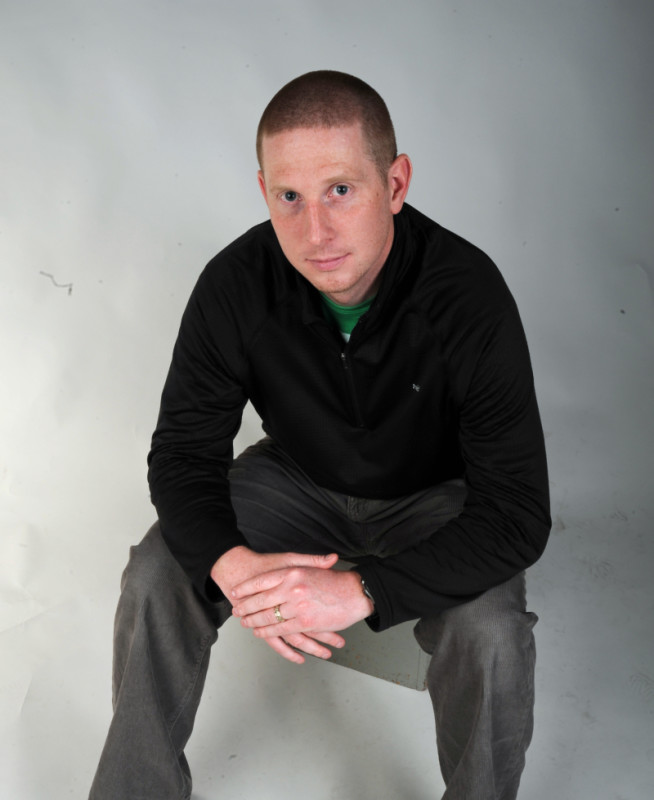
On a Thursday afternoon in February, Tracksmith CEO Jared Carver settles before a computer in his office on Boston’s Newbury Street. He’s excited to talk about his new favorite topic: a 12-year-old running brand with a cult following and, Carver swears, a long runway ahead.
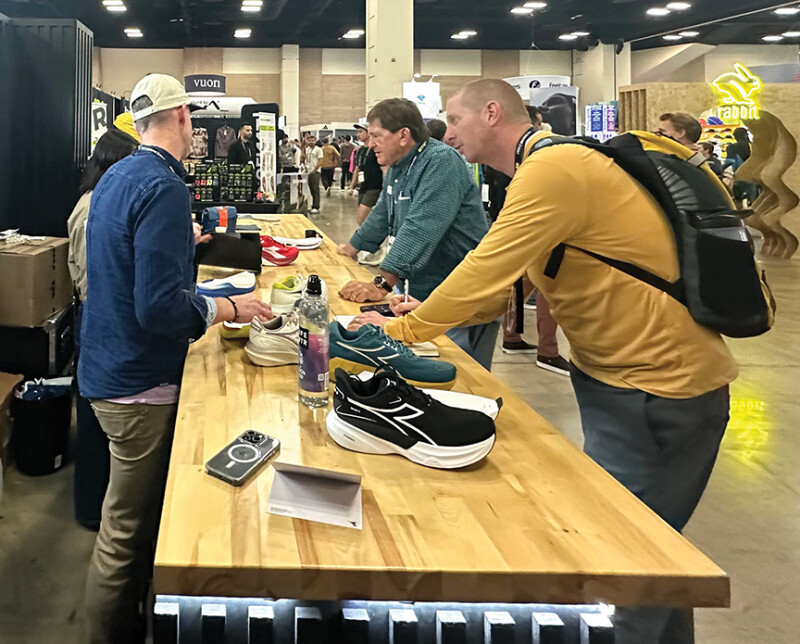
One of running’s leading independent brands, Tracksmith has captured notoriety for blending its New England prep school aesthetic with premium materials and premium prices – first with apparel such as shorts and singlets before venturing into footwear in late 2022. Over the last year, meanwhile, Tracksmith has increasingly veered from its direct-to-consumer playbook and embraced wholesale. Run specialty shops from coast to coast now stock its distinctive products.
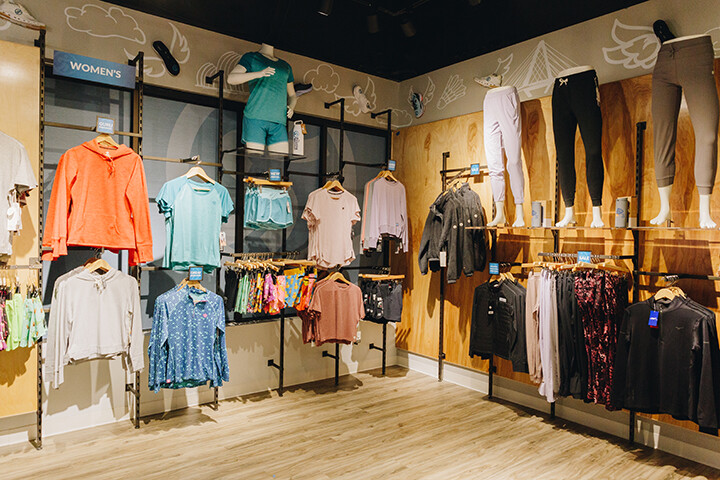
In Tracksmith’s flagship retail store below his office – a space Carver visits daily to talk with customers and staff and observe shopping habits – Tracksmith product fills a space doused with sophisticated flair. As has become Tracksmith’s modus operandi, everything at the Trackhouse is carefully curated and thoughtfully planned – the hardwood flooring, the lighting, the hangers, the photos on the wall and the frames they sit in, the hardware and so on. Intentionally, unapologetically, unabashedly, Tracksmith is who it is.

Lofty Goals
“What has me energized is what the brand has always been, but ultimately what it can become,” Carver says.
Tracksmith tapped Carver to address the latter, to steer Tracksmith’s future at a critical time in its present.
At the end of January, Tracksmith announced Carver as its new chief executive. At the same time, the company revealed that founder and longtime CEO Matt Taylor would be stepping into the newly established chief creative officer role. While Taylor will continue to shepherd the brand’s creative direction, Carver will oversee day-to-day operations and Tracksmith’s long-term business strategy.
Carver, a runner himself who completed the 2025 Covered Bridges Half Marathon in Vermont in 2:07, joins Tracksmith following a 15-year run at Converse, the Nike-owned brand best known for its beloved Chuck Taylor sneakers. He served as Converse CEO from 2023-2025.
Carver calls his new gig at Tracksmith a “return home.” His father worked as a sales rep selling to run specialty stores and Carver remembers visiting run shops with his father as a kid.
“From my earliest days, I’ve been connected to the running marketplace and the brands winning in this space,” Carver says.
And Carver believes Tracksmith can win – and win big.
“Tracksmith is both the beginning of an iconic brand and has the potential to be a brand that lasts into perpetuity,” he says.
‘Doubling down’
To be certain, Carver sees challenges before Tracksmith. Most notably, the performance running apparel market has never been more intense and crowded with established players such as Nike and Brooks as well as fellow upstarts like Satisfy, Bandit and Saysky all battling for consumer attention and spending.
Carver is clear in his immediate priorities. He wants to serve Tracksmith’s current customers in the most efficient way possible and cement the brand’s foothold in New England – its home base – before more aggressively exporting that awareness across the country and internationally.
“Every brand has a place — and this is ours,” Carver says of New England. “But that doesn’t mean we’re a brand only for this place. I think what inspires us about New England appeals to people everywhere.”
Carver’s mission is to make sure Tracksmith’s values and genuine love for sport continues to shine in its storytelling and, most importantly, its product, which Taylor launched on the principle that “running deserves better.”
“This brand was built on iterating on product while Matt went out and ran in it, and that’s what’s made the brand great,” Carver says. “We can’t stop doing that. In fact, we absolutely need to double down on it.”
Next Steps for the Brand
While building upon Tracksmith staples – pop-up shops around major marathons, lively visual storytelling and its own branded retail stores in Boston, Brooklyn and London – Carver also sees compelling opportunities to sharpen and scale the Tracksmith business.
At present, for instance, Tracksmith’s business skews male and Carver aims to create more accessibility in female product offerings from a fit and grading perspective. He also wants to strengthen Tracksmith’s wholesale business by developing deeper partnerships with retailers to elevate the brand’s presence in retail shops across the country.
“We can’t just be a shoe on the wall or a shirt on a rack. We’ve got to figure out how to bring our brand to wholesale in a way that really drives impact,” Carver says. “We’ve got to stay maniacal that our brand feels like our brand, regardless of where you find it.”
Carver insists Tracksmith can accomplish that and compete effectively in a discerning market.
“I love the notion of writing a great story for Tracksmith and looking back on this time as a really fun period of growth,” he says.
.jpg.medium.800x800.jpg)