It’s been more than 20 years since The Running Event was founded and eight years since my partners and I at Formula4Media sold it to Diversified Communications. Understandably, the industry – both at retail and on the vendor side – has changed dramatically in those two decades – and there is a lot that can be learned from those early days of what has become for the largest running trade show and conference in the world.
What is now The Running Event (TRE) actually began its life as the Elite Running Conference, held in downtown Manhattan in 2004. When that inaugural event wrapped up, we knew we had identified a need in the marketplace and by May of the following year we began building the framework for today’s TRE.
As TRE celebrates its 20th year this December in San Antonio, TX, it is important to ask “What have I learned in those two decades?” Plenty. Here are my top 10 takeaways.
1.
Believe.
My partners and I believed with all our hearts that running specialty was underserved by media, events, a trade show and a trade association. We all quit our corporate jobs. I walked away from a pile of stock options and took a second mortgage on my house based on my belief that the running business would grow. More than 20 years later, I’m glad my faith paid off.
2.
When all else fails, bring the beer. So, at the first Elite Running Conference, we had 14 brands and 43 retailers. Key sponsors were assigned meeting rooms, which they could decorate in any manner they saw fit. Brooks was represented by Jim Weber, Dave Larson and Rick Wilhelm. At the opening night dinner, the trio realized no one had brought fixtures, banners and maybe not even shoes. They decorated their room with cases of beer (which they probably smuggled past room service). They were the most popular room at the event.
3.
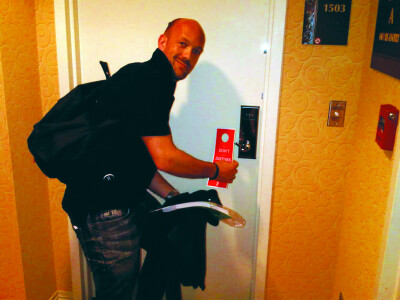
The run business likes rebels. The story above is mild compared to many of the antics I witnessed over the years at TRE. Here’s one: At its first ever TRE, On did a bootleg activation in which they hung door hangers on the rooms of nearby hotels, with phrasing that said “DO NOT DISTURB the balance in the business,” or words to that effect. Upon discovering this, the manager of one of the hotels screamed at me for 20 minutes demanding compensation for the overtime he had to pay his house keeping staff and wanting to know who was responsible. But, hey, I’m not a snitch, so I never told. Here’s another: One early TRE year Saucony spray painted a series of messages on the sidewalks outside the Austin Convention Center. The Austin sanitation department went crazy and sent me a cleaning bill. One More: The first year Hoka came to TRE, founder Nico Mermoud did business from the Hilton lobby showing off this crazy max cushioning shoe at a time when every other brand was showcasing minimalism. Retailers loved all this crazy stuff and they still do.
4.
Don’t be afraid to make tough calls. One of the most difficult aspects of trade shows is that you (and everyone else) have to react to situations in real time. You can’t say “let me get back to you in a few days,” because in a few days it’s over. One of my toughest real time decisions was when Glenn Lyon, then CEO of Finish Line, showed up at the event looking to buy a pass. At that time, we had a strict “specialty only” policy and Finish Line was in the process of buying running stores. While Glenn was at the counter trying to buy a pass, I had to sprint down from the conference area on the second floor and tell him he couldn’t get in. He was a good friend and had really stood up for me when I had been kicked out of a trade show years prior (the irony is not lost on me). He was not happy, but was a gentleman about it and showed up the next year as a speaker at one of the most widely attended and heated conference sessions we ever held. It was tough and potentially damaged an important business relationship, but there is no doubt in my mind, it was the right decision at the time.
5.
Super star runners are super nice. Another wonderful benefit of being involved with TRE over the years was meeting so many of them. Dick Beardsley, Joanie Benoit, Ryan Hall, Meb Keflezighi (it took me years to get the spelling of his name right), Desi Linden, Billy Mills and Deena Kastor all stand out as favorite athlete guests. Every one of them was happy to pose for pictures with our retail attendees, which of course added clout and credibility to these retailers with their customers back home. Billy Mills, who spoke at an early TRE, might have been my favorite: humble and kind with an amazing story. If you don’t know his background, click here to watch his run in the 1964 Tokyo Olympics. It still gives me chills. https://www.youtube.com/watch?v=lTtbPsG3AQE
6.
Work your contacts. For me, the most stressful part of TRE was the annual Best Running Store Awards dinner. Stores were emotional when they won, they were ticked off when they didn’t and we had to make sure every one had a good time and that it all came off without a hitch. The year TRE was re-located to Dallas, 9th Street Active of Raleigh Durham was set to win store of the year. The owners Walt and Gwen Cleary were legends in the business and I was excited to see them be acknowledged. One problem though — they cancelled their registration at the last minute. I was super stressed. I tried calling Walt but received no response and shared my dilemma with the VP of sales for a leading footwear brand. “I’m on it,” he said. It turns out that Walt and Gwen had a spat and Gwen said she would not travel to TRE. Walt did what most husbands in that situation would do and said “If you’re not going, neither am I.” I’m not sure how he did it, but my footwear exec friend smoothed things over with the couple and they showed up for their big night. That situation would never have been resolved if I didn’t ask for help. My friend could have a second career as a marriage counselor. As for Walt and Gwen, they both passed within six months of one another in 2025. I hope they are fitting shoes together in heaven.
7.
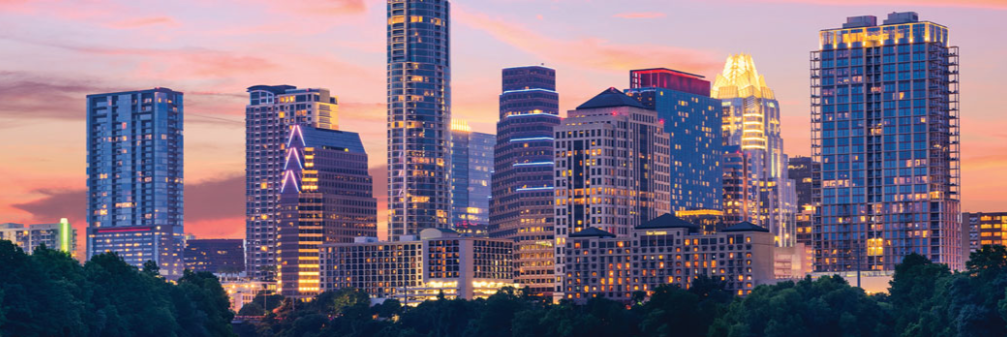
Some times you have to bite the bullet on expenses. In 2016, we were forced to move The Running Event to Orlando. John Deere had booked the Austin Convention Center years ahead of time and at that point we needed a big exhibit hall and a specific date pattern, so Orlando got the nod. As an event organizer, this was our toughest and most expensive event to produce. We paid $60,000 for busses to transport attendees. In Austin everyone ran or walked. The day before the show, a nice man at the Orlando Convention Center asked if we wanted WiFi. Of course we did. “That will be $14,000 dollars,” he said. In Austin, WiFi is free and even the gas stations have it. At a certain point, we decided, “Screw it. It’s only money.” We hosted the Indie 5K at Epcot in Disney World and held the Best Running Stores Dinner there, too. We timed it so the dinner would end at the same time Disney was shooting off their nightly fireworks. Oh yeah, they charged us $15 per attendee for watching the fireworks. But it was a great party and I have no regrets on that either, although my banker and partners may disagree.
8.
Keep an open mind. Of course, I was always proud that TRE was supported by some of the biggest brands in the world: Nike, Adidas, Puma to name a few. But it was often the newer, smaller brands that gave TRE its energy and spark. Vibram Five Fingers, Topo Athletic, Altra and Shokz all come to mind as brands that showcased innovation and creativity at TRE. It was great to see retailers respond and see the continued growth of these companies.
9.
You don’t always need presentation slides. Over the years there have been so many great speakers at the TRE Education Conference. One of the best was Daymond John, the founder of FUBU and later a featured investor on Shark Tank, and Walter Robb, the former CEO of Whole Foods. Daymond gave a presentation on how he launched FUBU, a clothing brand inspired by hip-hop. Rather than use power point slides, Daymond had a DJ, who would play hot music cues at key points in his presentation. The audience loved this insightful, memorable appearance. And Daymond also moderated our very own version of Shark Tank, which featured new companies pitching their concepts to retailers. He got a 10 out of 10 on my evaluation.
10.
Who you sell your business to matters. My partners and I had several opportunities to sell our business over the years. Of course, we wanted to get paid for all our hard work and investments over the years, but we also wanted to sell it to someone who understood TRE and the role it played in the market. We had suitors who were in the active lifestyle space and another company that wanted to buy TRE and move it to Las Vegas. Neither of these companies felt like the right fit. When we met with executives from Diversified, they were down to earth and clearly knew how to run shows and realize different industries had different needs. Eight years after selling to them, I am thrilled the transaction yielded good results for all parties involved: me and my partners at F4M, Diversified and most important of all, the running business community.
Mark Sullivan is one of the founders of The Running Event. He currently co-hosts the Slingin’ Shoes podcast with Chris Farley. Episodes are always available at
www.slinginshoes.com
.jpg.medium.800x800.jpg)