On the heels of a relatively solid 2025, the run specialty industry enters 2026 with positive momentum. Running shoe sales continue climbing. Race numbers are up. And run clubs are hot. But present energy is no promise of future success. Diligence remains paramount to performance, particularly as costs rise and competition for consumers intensifies.
Running Insight senior writer Danny Smith details notable trends, topics and themes he’ll be tracking throughout this calendar year.
How will run shops strike a footwear inventory balance?
We’re in the golden age of performance running footwear. Never before has the market enjoyed so many compelling options from so many ambitious players.
But dollars are not infinite for running retailers. Neither is space.
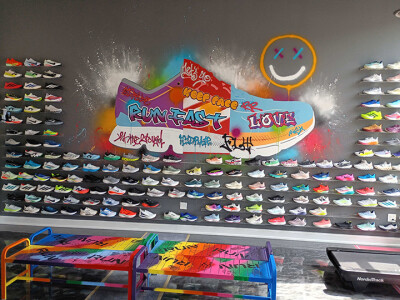
How will run specialty shops curate their shoe wall to ensure relevancy, reach and freshness? How will stores incorporate challenger brands to keep run specialty special while still capitalizing on the appeal and draw of established names?
How will run shops communicate high tech?
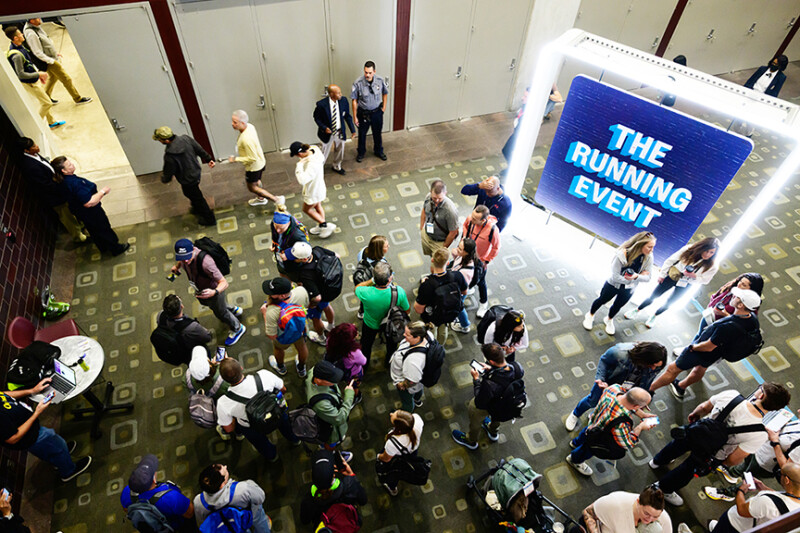
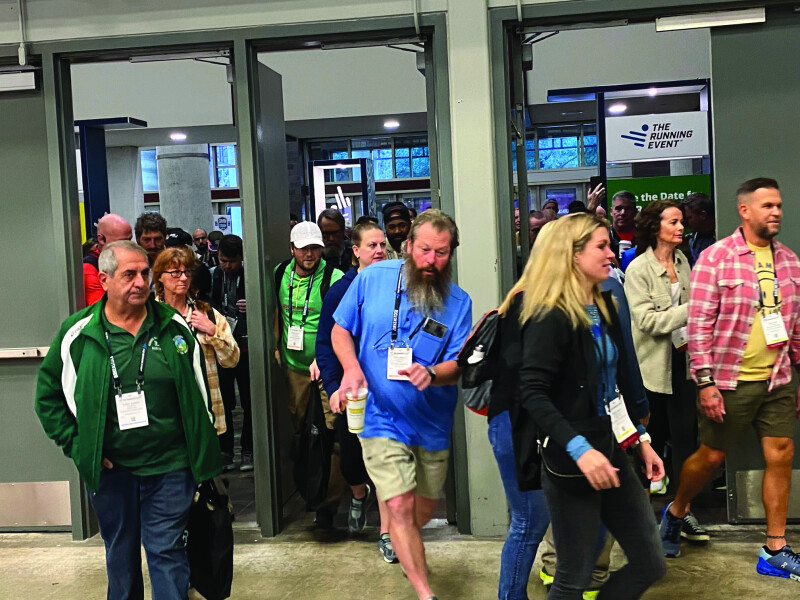
At The Running Event 2025 in December, Adidas representatives talked about active, intentional and ongoing efforts to bring the German company’s world record-breaking technologies “from the few to the many.” It was a fitting encapsulation of what’s happening across the performance running footwear landscape, as we continue to see the democratization of the most innovative and groundbreaking technology. Ingredients once the sole domain of high-end race day shoes are increasingly appearing in everyday trainers, resulting in more dynamic models at more accessible price points.
How will run specialty shops capitalize on footwear innovation, the tech trickle down and communicate this to customers in digestible language that excites and encourages purchases?
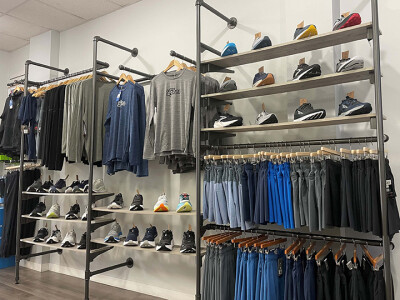
Can running stores unlock apparel sales?
We’re not only in the golden age of performance run footwear. To be certain, running apparel has never been better, either, with an ever-growing assortment of brands offering stylish, functional and high-quality fitness gear. Even so, run shops continue struggling to sell apparel. Data from Karnan Associates, in fact, pegs independent run specialty apparel sales at just below 10 percent of overall revenue.
With exciting apparel lines at their fingertips, will run shops finally be able to unlock apparel sales? What strategies will running stores employ to boost apparel sales? Will it be enhanced merchandising, including a better intermingling of footwear and apparel? A brighter social media spotlight? Events like fashion shows? Gift guides? A stronger lean into lifestyle apparel?
.jpg.small.400x400.jpg)
Can Nike keep it going?
Powered by a flurry of sexy new models and its unrivaled marketing muscle, Nike recorded a strong 2025 in the run specialty marketplace. According to Karnan Associates, Nike sales soared 35 percent year over year at independent run specialty.
Will The Swoosh pick up the pace in 2026? Does its latest renewed commitment to run specialty have staying power? With the Los Angeles Olympics closing in, it’s a decent bet Nike will continue to invest in the run category and in the run specialty channel, but actions – thoughtful and consistent – will speak louder than words.
How will run shops handle the accelerating cost of doing business?
Outside of the TRE exhibit hall in San Antonio, I had an earnest conversation with two seasoned run specialty retailers I greatly respect. Both reported solid top-line numbers at their respective stores, yet lamented diminished profitability given accelerating business costs. One spoke about his commitment to providing healthcare for staff – an unquestionably noble effort. Yet, he said his healthcare costs recently jumped more than 50 percent. Though he sought and found a more economical alternative, the cost to his business remains high. I could sense his fatigue, which was wholly uncharacteristic.
From real estate to utilities to shipping and labor, the everyday costs of business have never been higher – and there are no signs expenses will relent even if some ongoing costs stabilize or even decline. How will these rising costs impact running stores? Will it curtail growth plans? Will it alter purchasing habits or lead stores to prioritize brands with higher margins or super favorable terms? Might it transform a store’s labor mix and spur more outsourcing of tasks like marketing, social media management and the like? How will running retailers combat swelling costs and find a productive, profitable way forward?

How might run shops sell more to existing customers?
Driving top-line revenue is one way to combat rising business expenses, which one can achieve by attracting new customers or selling more to existing customers – and the latter is the far more obtainable feat given the familiarity and trust running stores cultivate with their customer base.
Boosting the average ticket with current customers, however, is no jog in the park. Do run shops need to better spotlight in-house solutions, such as socks, recovery products and nutrition? Might running stores extend their product assortment, perhaps moving into more lifestyle or casual product? Perhaps run shops embrace paid services like coaching or create high-margin seasonal challenges to engage customers?
Run specialty stores have earned credibility with their current customers and how they leverage that trust and their track record of creative problem solving to bolster revenue will be intriguing to track throughout 2026.
How will running stores confront labor challenges?
On December 10, running retailer A Snail’s Pace hosted a four-hour job fair. The shop invited potential candidates to bring a cover letter and resume and said it was actively hiring full-time floor managers as well as part-time associates at each of its five locations in Southern California. It was the latest example of a running store taking a unique approach to address labor woes.
To be certain, labor remains one of the biggest challenges facing many run shops. It used to be finding high-quality employees was the problem. Increasingly, however, I see run shops struggling to find employees at all. How will run shops find stability on the labor front? Is the solution more full-time employees? Is it remote employees or contractors handling back-office tasks, thereby enabling leadership to focus more on big picture plans or customer-facing efforts?

Does the gravel category have legs?
The “gravel” category is a new phenomenon in footwear – and an intriguing one. These hybrid offerings from brands like Salomon and Craft promise fluidity on the road and functionality on the trail.
Given its versatility, the gravel category seems a compelling value play capable of resonating with consumers, particularly those looking for a do-it-all trainer to handle roads, light trails or even wintry conditions. But trail running, while growing, still remains a slim piece of the overall running pie. Will a niche category adjacent to another niche category earn a place on running store shoe walls?
.jpg.small.400x400.jpg)
What comes after maximalism?
About two decades ago, minimalism shook the run specialty market, though the pendulum swung quickly to maximalism beginning in the early 2010s. Over the last decade, there’s been a vigorous march to higher stack heights, including various 50mm-plus options. While premium foams and plates ensure livelier rides, there seems to be a growing sense the industry has leaned too heavily into technology and lost some of the human touch minimalism championed.
The Brooks Glycerin Flex was a notable TRE launch signaling a potential shift to more natural foot movement. With its pliability, the Glycerin Flex resembles the OG Nike Free more than the high-stack trainers currently dominating the market — and it just might be a harbinger of things to come.
Throughout 2026, and particularly in the calendar year’s second half, I’ll be interested to see if momentum for more flexible running footwear grows. And if so, how will footwear brands blend the minimalism and maximalism eras after two decades of observation, research and development?
How will Running USA move under new leadership?
Back in October, Shawn Sullivan was appointed the new executive director of Running USA, which bills itself as the leading trade organization for the sport of road running and mass participation endurance events. Sullivan is tasked to lead the organization’s strategy, membership growth and year-round programming in service of event operators, vendors, brands and industry partners.
Running USA has the potential to be a lively connector of various stakeholder groups, from race directors to athletic brands to, yes, running retailers, and Sullivan, whom I’ve known personally for the last quarter century, is the type of collaborative, creative and forward-thinking individual who can help realize that potential and elevate Running USA’s profile.
How will running brands and running retailers engage with NIL?
To heighten brand awareness, running brands are increasingly inking Name, Image and Likeness (NIL) deals with college and even high school athletes. Running retailers are doing it, too. Boston-based Heartbreak Hill Running Company’s Love Squad, for example, has become one of the channel’s premier retailer-led NIL programs.
In one interesting twist of late, Diadora and Marathon Sports announced a first-of-its-kind NIL partnership for high school athletes coinciding with the launch of Diadora’s new Mezzofondo mid-distance spike. The two brands agreed to offer NIL contracts of $40,000 to the first male high school runner to break four minutes for the mile and the first female high school runner to break 4:40 for the mile during the 2025-26 indoor track season. The catch? They must hit those marks while wearing the $260 Mezzofondo.
How will brands and retailers alike navigate the still-evolving NIL era, assess bang for their buck and move forward with worthwhile, impactful efforts?
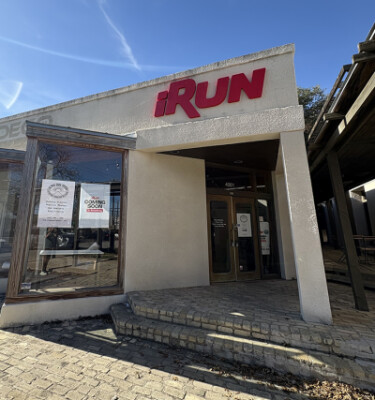
Will the market continue to see new run shops debut?
Throughout 2025, I tracked new store openings and saw independents as well as larger chains launch new locations. In 2025, Fleet Feet opened its 200th franchised location and has now cleared 300 total stores when adding in the 28 Marathon Sports locations operating in New England. Down in the Southeast, Florida-based Fit2Run is nearing 50 total locations.
Meanwhile, independents continue adding stores, too, including John’s Run/Walk Shop in Kentucky, A Snail’s Pace in California, Foot Traffic in Oregon, iRun in Texas, Solid Rock Running Company in Alabama and Gotta Run in South Carolina. Brand new names are appearing as well, such as Neighbor Running in Hudson, NY, and Haraka Run and Walk in Hyattsville, MD.
The new stores underscore the run specialty market’s current energy and the bet many entrepreneurs are placing on the channel’s sustainability despite notable headwinds. Will 2026 bring more of the same?
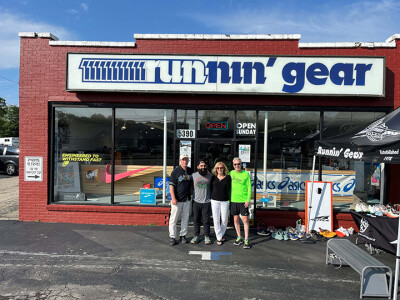
What’s to become of stores with prepared-to-exit owners?
Beyond new stores, what about existing run shops with ready-to-exit owners? I see ownership transfers as one of the most intriguing storylines in our industry and something capable of shaping the long-term future of the channel.
Of late, we’ve seen independents like Lively Running in Oak Park, IL, and Runnin’ Gear in Michigan change hands and retain their independent flair. Others, meanwhile, have turned to Fleet Feet as an exit ramp. At the beginning of 2025, for instance, two South Sound Running stores in Washington joined the Fleet Feet enterprise following a deal with Fleet Feet franchisees Wade and Julie Pannell.
How will owners ready to exit the business navigate their individual decisions? What will they prioritize? How will they solicit, form and execute deals?
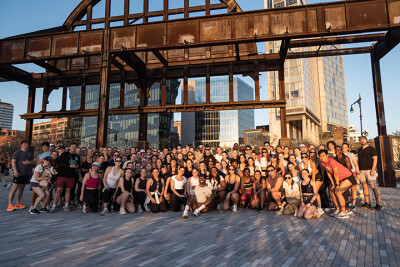
Does the run club movement have staying power?
On Strava, running clubs and club-organized events continued soaring in 2025 after a lively 2024. Strava, in fact, has termed the run club “the new nightclub,” as people credit the social initiatives for propelling their fitness habits and driving community connections, including dating. Some have even jokingly called run clubs the “new Tinder.”
Some running stores have been able to tap into the run club explosion by creating partnerships with existing clubs, hosting group runs or even launching their own clubs. Are run clubs a fad or a tell-tale sign of rising hunger for IRL connections and healthy habits in an increasingly digital world? My money is on the latter, but activity in 2026 will go a long way to proving me right or wrong.
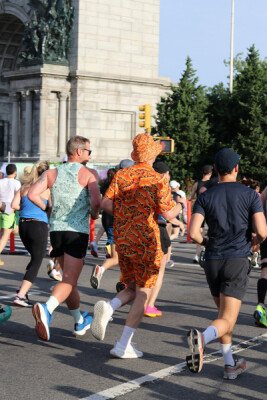
Will races continue to rebound?
On the heels of an eight percent jump in event participation in 2024, races continued to capture record numbers in 2025. Some notable figures? How about the Chicago Marathon seeing more than 160,000 applications for its 2025 race, which shattered its previous high? Or the more than 1.3 million people who registered for 1056 Thanksgiving Day races in 2025, a 20 percent participation jump over Thanksgiving Day 2024’s record tally?
Race participation’s continued climb and the relative stability of the market suggest good things for run shops, particularly those also involved in the event business. Races have long been an engine for local running stores, providing awareness, driving traffic and encouraging sales. Will the participation numbers continue to climb in 2026? And if so, will run shops unearth new ways to strengthen their ties to races and generate tangible benefits for the store?