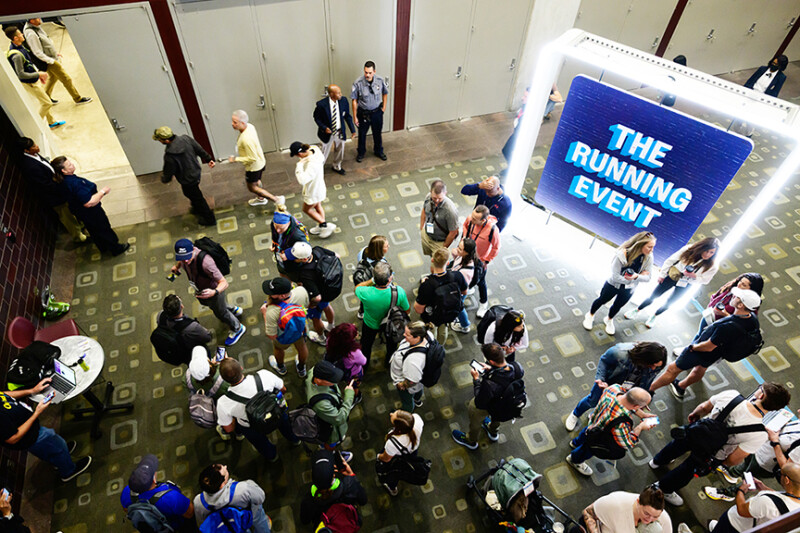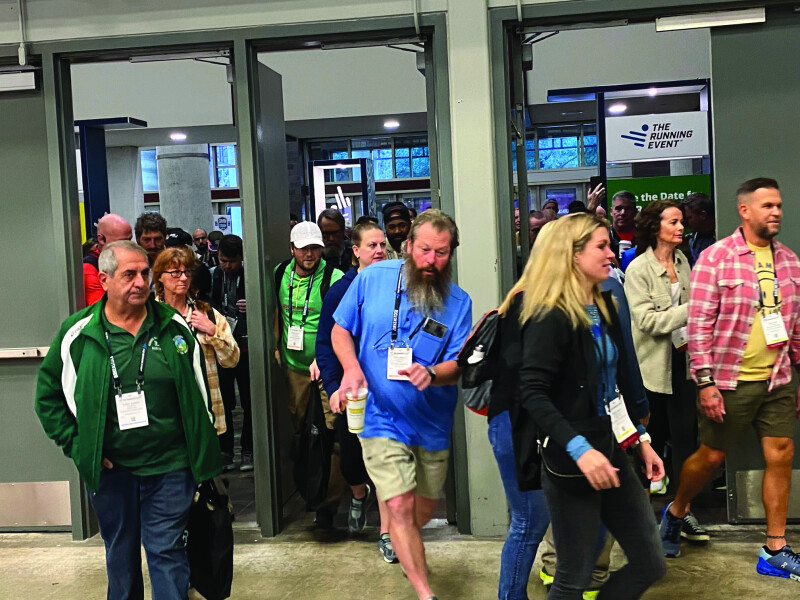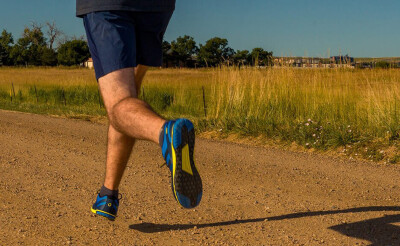
A little more than a decade ago despite a wave of zero drop, minimal shoes, one decidedly not minimalist brand towered over all of them — Hoka One One, as it was known at its first trade show. The Running Event 2025 edition revealed that most brands featured tall stack shoes, including Hoka.
However, even as shoes got bigger and higher there was at least one brand that had no tall stack shoes at all — Xero. But Xero was not alone and other brands with similar shoes carried the minimal torch.
A decade later, here is a sampling of insights from three brands – Lems, Notace and, of course, Xero – on the state of the minimlist game.
Zero drop explained …
Notace: Transitioning to zero drop is highly individual. It depends on what someone is used to wearing and the volume and intensity of their training. There’s a growing body of research, along with guidance from physical therapists, that can help people make that transition safely and effectively. What’s important is that zero drop gives you a baseline —you can always add lift if needed, but you can’t remove it once it’s built into the shoe. That flexibility allows people to adapt the experience to what works best for them.
Xero: All of our products are zero-drop. Always have been. Always will be. To be clear, though, zero drop does not equate to minimal/barefoot. It’s merely one feature that defines a “barefoot shoe.” The others: Wider, foot-shaped toe box, flexible sole, the least cushioning you can get away with (based on use case), and a sole that gives adequate ground feedback.
Lems: For those new to minimalist footwear, it’s best to ease in and give your body time to adapt to the different muscles being engaged. We typically recommend wearing your Lems for a few hours at a time, gradually increasing as your comfort grows. For a smoother transition, styles like the Trailhead, with a slightly higher drop, can help bridge the gap. The same approach applies to running. If you’re not accustomed to minimal drop shoes, begin with shorter runs and build up gradually. This allows your feet and body to adjust to the shift in alignment and movement. Everyone has different gaits, body types and foot structures, so their transition to minimalist footwear will vary. As a result, adjustment timelines can differ from person to person.
The internet and AI effect …
Xero: It’s a bit of both. Since more people are experiencing the benefits and comfort of truly barefoot shoes, there are more voices sharing that message. But since the Internet algorithms reward negativity, anyone who has “seemingly” had a bad experience has their voice shared, too. Since more brands are launching, and many of them are not offering a true barefoot-inspired experience, there are more people saying “barefoot is bad” because they’ve never had the authentic experience. I see this at live events all the time when someone comes to our booth wearing a supposedly barefoot shoe, then tries on a pair of Xero Shoes, and then say, “Ooohh! This is a whole different thing!”
Similarly, more content creators are talking about barefoot shoes and, often, make straw man arguments, or don’t understand that anything other than a shoe with all of the elements listed above is not a barefoot shoe. My “favorite” are the “Lies barefoot shoe companies tell you” videos... which then argue about points that the reputable barefoot companies never say.
The AI content I’ve seen doesn’t typically understand the nuance of what is described above and often presents incorrect information about, say, transitioning to a barefoot shoe. For example, it will suggest running on a soft surface, when the research is clear that the best surface to learn on is smooth and hard (you get the most feedback that way). A soft surface is like moving the cushioning from your shoe to the ground. The key to transitioning is starting small and slow and not overstriding... then building up as you feel more comfortable. Do something different until you’re having fun — then slowly add more fun.
Lems: Modern running trends have leaned heavily into max cushioning and high stack heights. While that may work for some, we take a different approach, paring things back to the essentials and letting the body move naturally. With our upcoming running line, we’re aiming to bring a more natural feel back to the space while offering an alternative to what’s currently on the market. Many options today either add layers of material, or the complete opposite, go fully barefoot, while Lems is the perfect balance in-between.
Notace: It’s on the brand to set the tone with the influencers it chooses. You can’t control everything, but you can be intentional. We partner with people who understand and genuinely believe in what we’re building. More importantly, they actually use the product, so what they share comes from real experience, not a script.
People are getting better at spotting what’s real and what isn’t. As AI grows, that only becomes more important. If anything, it will push people toward more authentic connections and in-person experiences, where credibility is earned, not manufactured.
Educating retailers and customers …
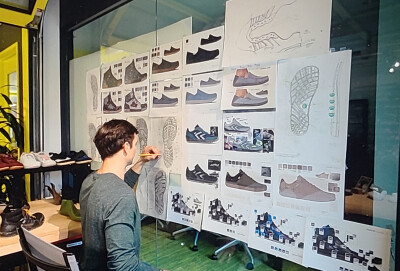
Lems: Helping our retailers and customers understand how Lems fit compared to traditional footwear is key. Transitioning to a minimalist design can take time, but we feel that the long-term benefits are well worth it. By getting familiar with key components like the outsole materials, widths and sizing, you can better match each customer with the right shoe for their lifestyle and needs. Reps present the line in person, provide an overview of Lems and get sample shoes on retailers’ feet to support ordering. After the initial order arrives, they return to assist with merchandising and provide deeper staff training on product details, key selling points and brand comparisons.
Notace: The most effective approach, and the most demanding, is in-person education. It takes real investment, but nothing replaces being there: sharing firsthand experience with the product and equipping staff with the knowledge and confidence to handle any question that comes their way.
Xero: For customers, the number one thing is simply the experience of our shoes. So for dealers we guide them to not even talk about the benefits, reasons to wear Xero Shoes or how to transition until they’ve put shoes on their customers’ feet. After that, the best education is reminding people about their own experience and how that contradicts what they’ve been told about what makes a “good shoe.”
For example, everyone knows “use it or lose it.” So, when they’re reminded that, say, putting your arm in a cast makes it weak because it’s being “supported” and cannot move, they quickly understand that the same weakening is happening to their feet if the shoe doesn’t let the joints in their feet move. There’s a reason we have 200,000 nerve endings in the sole of each foot — so your brain knows what you’re stepping on or in or over, so that it can then help you traverse that terrain effectively (and enjoyably) and you don’t get that feedback with a tall, cushioned shoe.”
A final word (or two) …
Notace: The gap Notace fills sits right between two extremes. On one side, the market is flooded with overbuilt, highly cushioned shoes. On the other, minimalist and barefoot footwear continues to grow. Our approach is to find the balance by building just enough. Enough cushioning and protection to meet expectations, while still allowing the foot to move naturally.
What makes this especially relevant today is how people actually live. They don’t want separate shoes for every moment. They want something that performs when needed but also fits seamlessly into everyday life. That’s where Notace stands apart: performance footwear designed to be worn all day, across different settings, without compromise. It’s a more complete solution for the modern consumer and one we believe will resonate deeply.
Xero: If you’re happy running in a pair of maximalist shoes, great. Once you’re done running, you can switch to a truly minimalist shoe for active recovery and for building that foot strength that can reduce injury risk.
Lems: Get out there, put the shoes to the test and explore near and far.